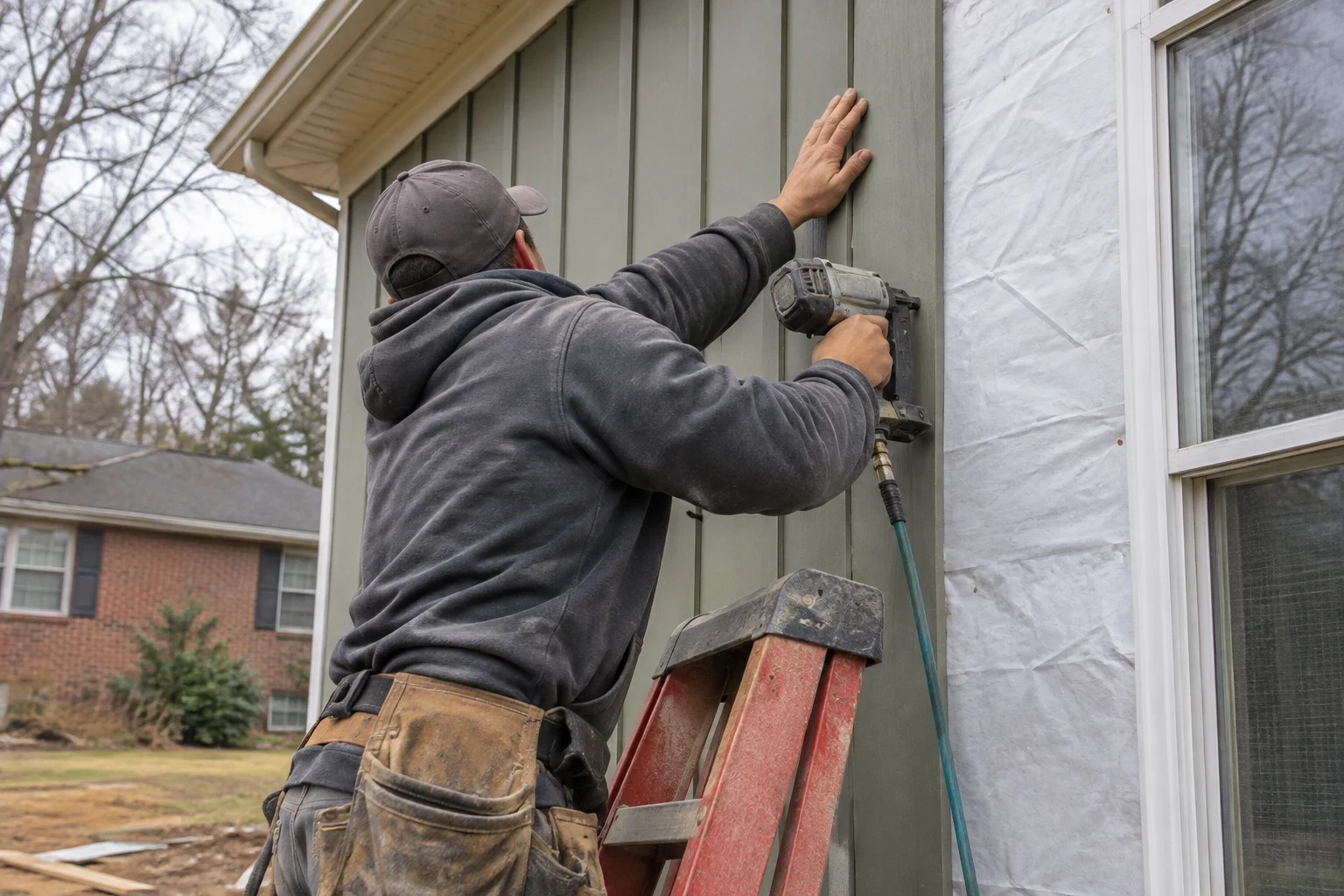
ServicesSiding Installation
Siding Installation in Mills River
We remove the old siding, check the sheathing and flashing underneath, repair what needs it, then install new fiber cement, vinyl or wood siding. You get photos of each stage, so you see the wall behind the finish before it is covered for good.
New siding starts with the wall behind it
Siding is only the visible layer. Behind it sit the weather barrier, the flashing around windows and doors, and the sheathing nailed to the framing. When siding fails, the real trouble is usually in one of those layers, and new panels over a wet wall only hide it for a while.
We install siding on new custom homes, on additions, and as a full replacement on existing houses. On a re-side, we open the wall, photograph what we find and walk you through it before anything is closed up. If a section of sheathing is soft, you see the damage and the repair, not just a line on an invoice.
We are licensed in North Carolina and in South Carolina. Siding on a new build or an addition follows the same layered approach, coordinated with the framing and window work so every opening is flashed before the finish goes on.
What a siding job with us includes
Tear-off and haul-away
We strip the existing siding down to the sheathing, pull old nails and remove the debris from your property. Tarps along the foundation catch fasteners and small pieces so they stay out of beds and lawn.
Sheathing and framing repair
Soft or delaminated sheathing is cut out and replaced. If rot has reached studs or the rim joist, we show you where it stops, explain the fix and price it before we go further.
House wrap and flashing
New weather-resistive barrier lapped so water runs down and out, with taped seams. Windows and doors get proper flashing, and kick-out flashing goes where a roof edge meets a wall, a spot that sends runoff straight into the framing when it is missing.
Siding fastened to its specification
Fiber cement, vinyl, engineered wood or cedar, each nailed and gapped the way its maker requires. Vinyl hangs loose enough to move in summer heat. Fiber cement keeps its clearance above soil, decks and roof lines so it never wicks water.
Trim, sealing and finish
Corner boards, window and door trim, and soffit and fascia where they are part of the scope. Joints are sealed and products that need paint are finished.
A photo record of every wall
Pictures at teardown, repair, wrap and final install, kept together for you as a record of what is inside your walls.
Signs your siding is due for replacement
- Soft or swollen boards
- Press on the lower courses and around windows. Give, swelling or crumbling edges usually mean water has been getting behind the siding for some time.
- Paint that will not stay
- Paint that peels again a season or two after a fresh coat often points to moisture moving through the wall from behind, not a bad paint job.
- Cracked, warped or loose panels
- Wind-driven rain and storms coming over the ridges loosen and crack older panels. Once one piece lets go, water has an open path to the sheathing.
- Stains or a musty smell indoors
- Water marks on interior walls, bubbling drywall or a damp smell near exterior walls can trace back to failed siding or flashing outside.
- Gaps at trim and openings
- Open joints at corners, windows and doors let in water, drafts and insects. Caulk can buy time, but widening gaps often mean the boards themselves are moving or rotting.
How a siding project runs
- 1
Project consultation
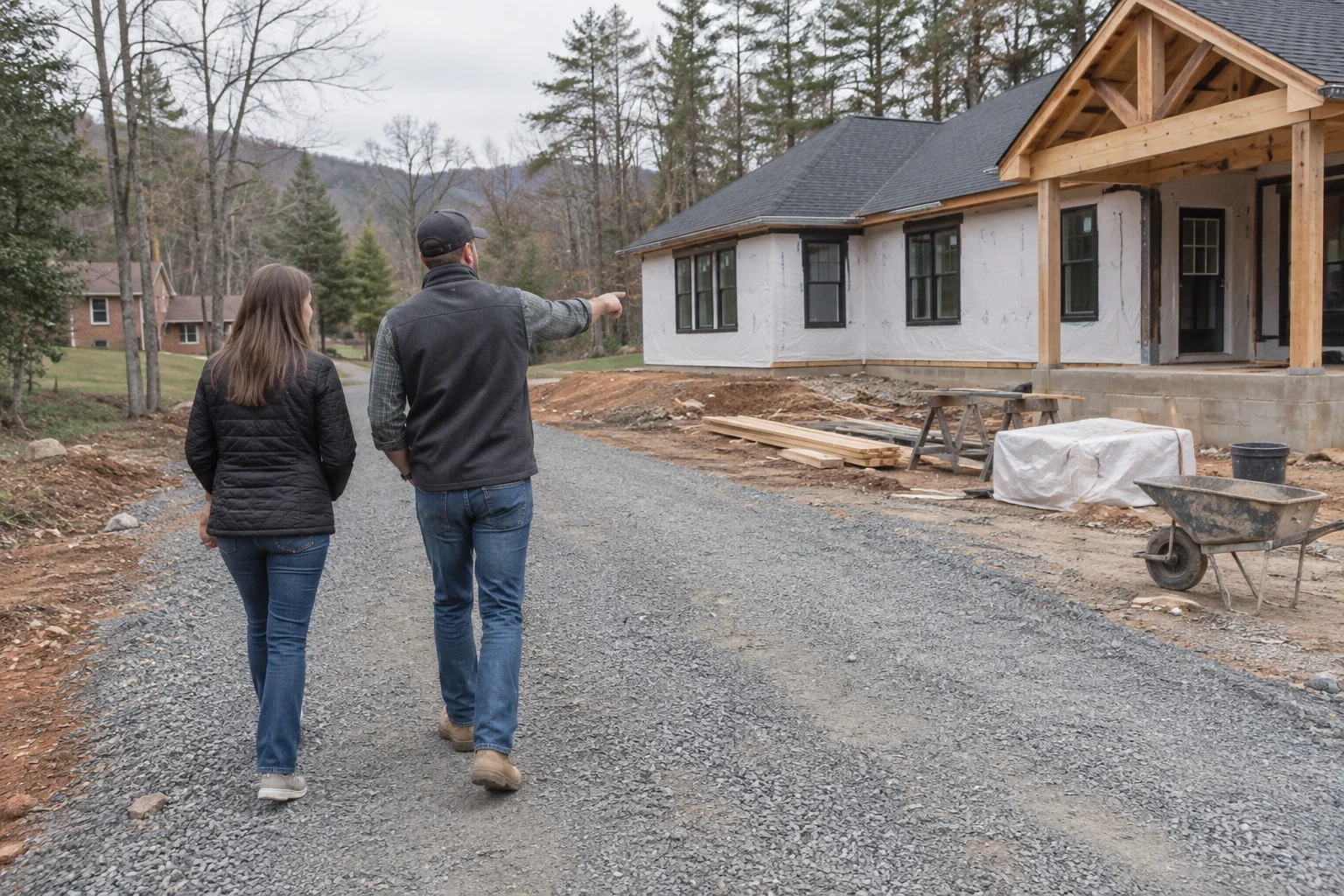
We walk the outside of the house with you, probe suspect areas, look at flashing and roof-to-wall joints, and talk through materials, colors and trim style.
- 2
Written estimate
You get a line-item estimate covering removal, wrap, flashing, siding, trim and finish. Likely repair areas are noted up front so you know what could change and why.
- 3
Tear-off and inspection
We open the walls in sections rather than stripping the whole house at once, so it is never left exposed for long. Each wall is photographed bare, and any damage is shown to you before repair.
- 4
Repair, wrap and install
Sheathing and framing fixes go in first, then house wrap and flashing, then siding and trim. The wrap and flashing are documented in pictures before they disappear behind the finish.
- 5
Cleanup and walkthrough
We sweep the yard with a magnet for nails, haul off debris and walk the finished house with you, the full picture record in hand.
What shapes the cost of new siding
Every house prices differently, and we would rather explain the reasons than quote a number before seeing the walls. The estimate you receive breaks the job into its parts. If we open a wall and find more damage than expected, you see the photos and the price before we continue.
- Wall area and height
- More square footage means more material and labor. Second stories, steep slopes around the foundation and tall gable walls need scaffolding or lifts, which adds time.
- Siding material
- Vinyl, fiber cement, engineered wood and cedar differ in product cost and in how long they take to cut, fasten and finish. Fiber cement and cedar also need paint or stain.
- Condition underneath
- Sound sheathing goes straight to wrap. Rotted sheathing, damaged studs or missing flashing add repair work that cannot be priced exactly until the old siding is off.
- Trim and detail
- Many windows, inside and outside corners, bump-outs and decorative trim take more cutting and flashing than a plain rectangular wall.
Siding installation questions
- Can new siding go right over my old siding?
- Sometimes it physically can, but we generally recommend removing it. Covering old siding hides any rot or failed flashing and traps moisture between layers. Taking it off lets us inspect the wall, document it and fix problems while they are still small.
- Which siding material holds up best around Mills River?
- With humid summers, freeze-thaw winters and wind-driven rain, fiber cement is a strong choice because it does not rot and resists insects. Vinyl costs less and needs little upkeep, while cedar and engineered wood give a warmer look but ask for more maintenance. We will lay out the tradeoffs for your house during the consultation.
- What happens if you find rot behind the siding?
- We stop, take pictures and show you exactly where it is and how far it goes. Then we explain the repair and give you the price before doing it. Nothing gets covered up without you seeing it first.
- How long will my house be torn up?
- It depends on size, material and what we find underneath, and weather can shift the schedule. We work wall by wall so no side sits open for long, and we keep the yard picked up at the end of each day.
- Does siding work need a permit?
- Requirements vary by jurisdiction and by scope, especially when sheathing or framing is replaced. When a permit is needed, we pull it and schedule the inspections as part of the job.
- Is the siding installation covered by a warranty?
- Yes. Our installation work comes with a 1-year warranty on workmanship. Any warranty on the siding product itself comes from its manufacturer, and we will go over what it covers before you choose.
See your walls before they are covered
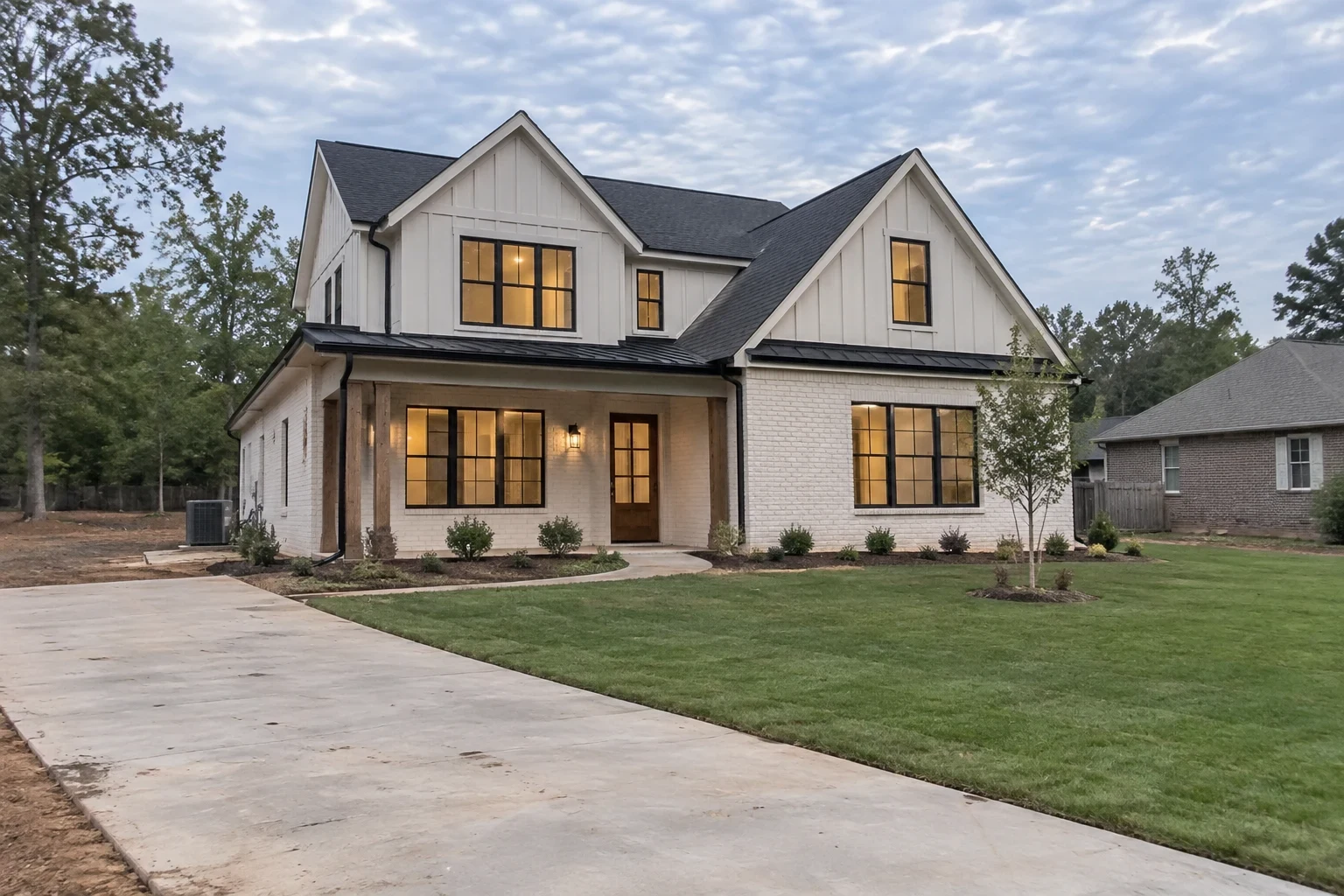
A siding consultation starts with a walk around your house and an honest look at what is behind the old boards. We will talk through materials, likely repairs and how the work would run.